
Fiber & Legumes: Everyday Middle Eastern Foods
Food & nutrition · Syrian Sweets of America · Published October 22, 2026
How beans, lentils, vegetables and whole grains contribute dietary fiber, with realistic meal ideas and no cure-all claims.
Where fiber appears on the table
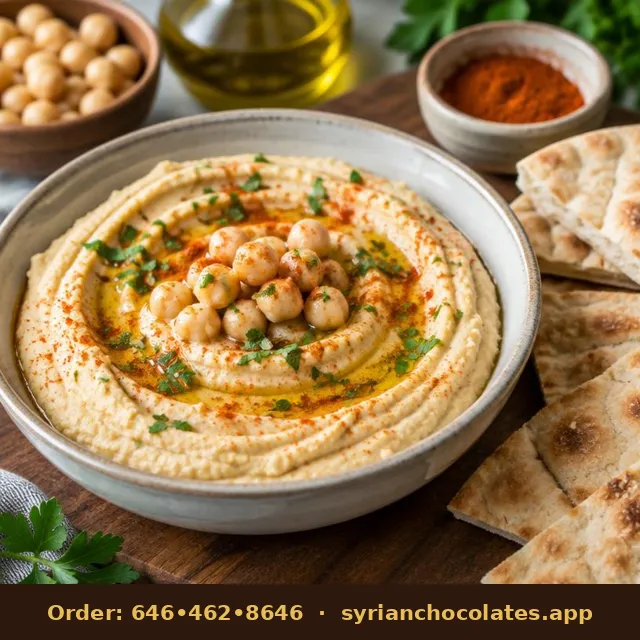
Beans, peas and lentils supply dietary fiber, as do many vegetables and whole grains. A mazza table can include these ingredients in several forms: hummus, a lentil dish, fresh salad and whole-grain bread. The combination depends on what you actually serve—not simply whether the meal is called Middle Eastern.
Use variety instead of a single fix
USDA describes fiber as one contribution of legumes and encourages vegetables and grains as parts of a balanced pattern. There is no need to attach a detox claim to hummus or promise that a bean dish will cure a digestive problem. Individual responses and medical needs vary.
Choose the grain deliberately
A whole grain retains the bran, germ and endosperm. Refined flour products differ. A bread’s color or a rustic name does not establish that it is whole grain; check the ingredient information when available. Traditional foods can be enjoyed without pretending every pita, rice dish or pastry has the same fiber content.
Make changes comfortable
If you are adding more legumes, start with portions that feel comfortable and increase gradually if suitable for you. Include fluids according to your needs and seek individual advice for persistent digestive symptoms. The point is an enjoyable routine, not pushing through discomfort to meet an invented challenge.
One easy meal pairing
Try a bean stew or mjadra with a vegetable salad and a modest bread or grain portion. For a lighter spread, pair hummus with cut vegetables and add another protein food if needed. Ask about ingredients in prepared dishes; exact fiber grams require a defined serving and verified nutrition data.