
A Balanced Middle Eastern Mazza Table
Food & nutrition · Syrian Sweets of America · Published October 22, 2026
Combine dips, vegetables, grains and protein foods on a varied mazza table, without calling every traditional dish healthy by default.
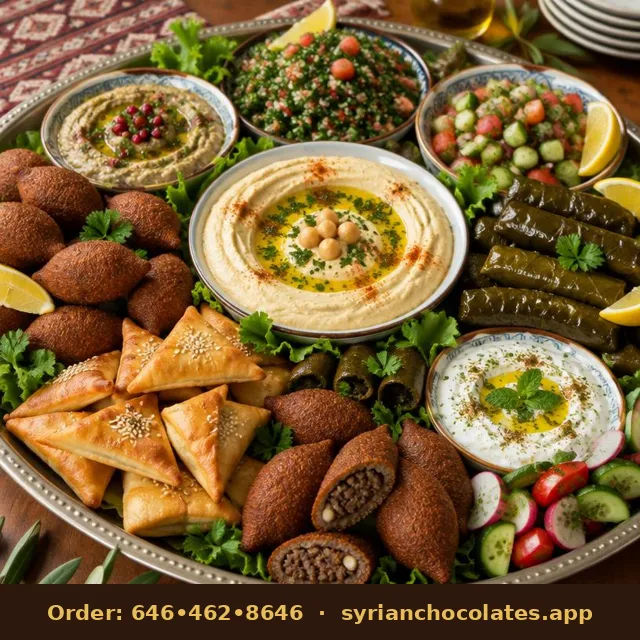
Variety is the starting point
A spread of many small dishes can offer variety, but it can also become a table of mostly fried pastries and bread. A more balanced approach looks at the whole selection: vegetables, protein foods, grains, sauces and sweets. No cuisine name automatically guarantees a nutritional profile.
Begin with vegetable choices
Tabouleh, fattoush, cucumber and cooked vegetables bring different textures. Salad dressing and added crisp bread affect a finished dish, so vegetable-rich does not mean every salad is the same. Choose sides you enjoy and ask about ingredients when ordering.
Include a substantial protein choice
A bean or lentil dish, chicken, or another protein food can anchor the meal. Hummus contributes chickpeas but a small serving may function mainly as a dip. Use USDA’s guidance about varied protein choices rather than relying on a single topping or spread to carry the entire meal.
Keep familiar favorites
You do not have to exclude kibbeh, sambusak or dessert to build a varied table. Serve them alongside other choices, consider portions and let guests choose. For kosher meals, confirm the specific meat, dairy and pareve designations and appropriate combinations; the dish names alone do not settle them.
Order for the real gathering
Tell us the guest count, meal type and important dietary restrictions. A snack table differs from dinner, and a prepared tray’s recipe may differ from a blog’s home version. We can discuss selections by phone, but we do not assign verified calorie or protein totals to a custom mazza spread.