
Middle Eastern Cuisine: Beyond One Menu
Cuisine & everyday life · Syrian Sweets of America · Published October 22, 2026
A welcoming introduction to regional variety, herbs, grains, legumes and sweets, with dishes to explore from a Syrian-focused catalog.
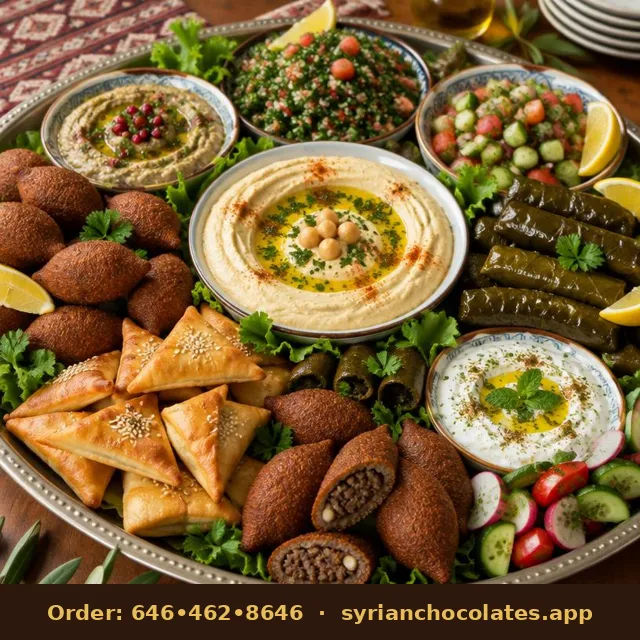
There is no single regional plate
Middle Eastern cuisine is an umbrella description, not a fixed set of dishes that every household cooks. Ingredients, spellings, holiday menus and methods vary between places and families. A Syrian-focused catalog is a doorway into some of these foods, not a complete representation of every cuisine in the region.
Start with recognizable ingredients
Chickpeas appear in hummus and falafel; lentils appear in mjadra; grains and bread accompany many meals. Herbs, lemon and sesame offer another set of flavors to explore. The same ingredient can play very different roles: tahini becomes a sauce, while sesame seeds add texture to kaak or cookies.
Explore by texture
Choose a smooth dip, a fresh chopped salad, a warm grain or stew, and a pastry. This is a practical tasting plan rather than a rule about tradition. In our catalog you might combine hummus, tabouleh, rice and kibbeh, or choose a meat-free selection after confirming the ingredients.
Leave room for the sweets
Baklava, maamoul, semolina cakes and milk puddings offer different textures and serving temperatures. Not every sweet contains the same nuts, cream or syrup. The sweets guide linked below describes several families of desserts so you can choose something new without expecting all pastries to taste alike.
Ask questions as you explore
Names can be spelled several ways, and familiar names can have different fillings. Ask what is in the specific item and how it is served. Our recipe collection presents home-style versions; ordering a prepared dish is another way to explore flavors without purchasing every specialty ingredient at once.