
Plant Protein in Middle Eastern Meals
Food & nutrition · Syrian Sweets of America · Published October 22, 2026
Find practical plant-protein choices in chickpeas, lentils, beans and nuts, and build varied meals without ranking foods by hype.
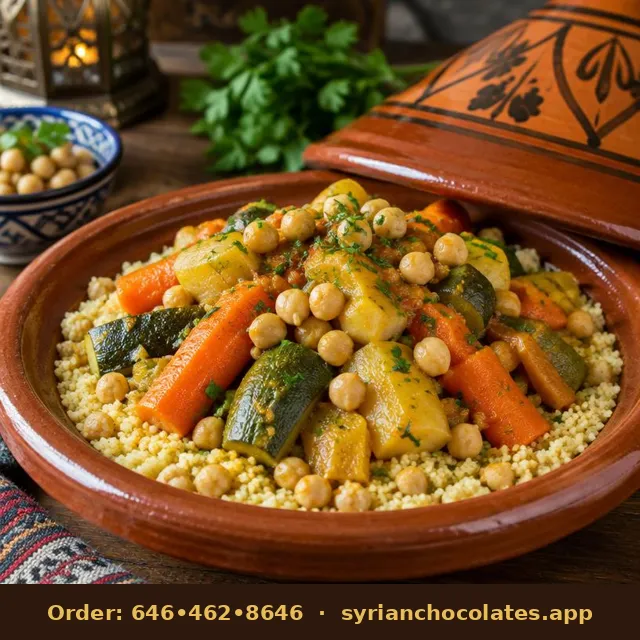
Think beyond one protein food
Chickpeas, lentils, white beans, nuts and seeds offer different ways to include plant foods in a meal. Middle Eastern-inspired tables can bring several of them together through hummus, stews, grain dishes and small sides. That variety is more useful than searching for one ingredient that does everything.
Identify the main contribution
USDA places beans, peas and lentils within the protein-food group and also recognizes their role in the vegetable group. Nuts and seeds are other protein-food choices. A garnish of a few nuts is a different amount from a substantial serving of beans, so avoid counting every small topping as the main protein on your plate.
A three-part meal idea
Begin with a bean or lentil dish, add vegetables, then choose a grain or bread. Vegetable couscous with chickpeas can serve as a foundation; a side of hummus adds another flavor and texture. Actual recipes vary, so confirm whether a prepared dish includes dairy, meat-based broth or other animal ingredients.
Labels and personal needs
Plant-based does not automatically mean vegan, low sodium or allergen-free. Sesame in tahini, nuts in garnishes and wheat in breads can be important for guests. People with medically restricted diets or individual protein goals should use professional guidance rather than estimate nutrient amounts from a menu photo.
Make it enjoyable
Use herbs, lemon and a range of textures to build a meal you want to eat again. Order one familiar dish and try another beside it instead of replacing everything at once. Our matching recipes show home cooking options, and the catalog provides prepared dishes to discuss by phone.